Creator's Game Exhibit

Honor the Creator's Game

This page is designed to feel slower, more editorial, and more exhibit-like than the rest of the site. It should help players and families understand that lacrosse has deeper roots, older meaning, and living communities connected to it.

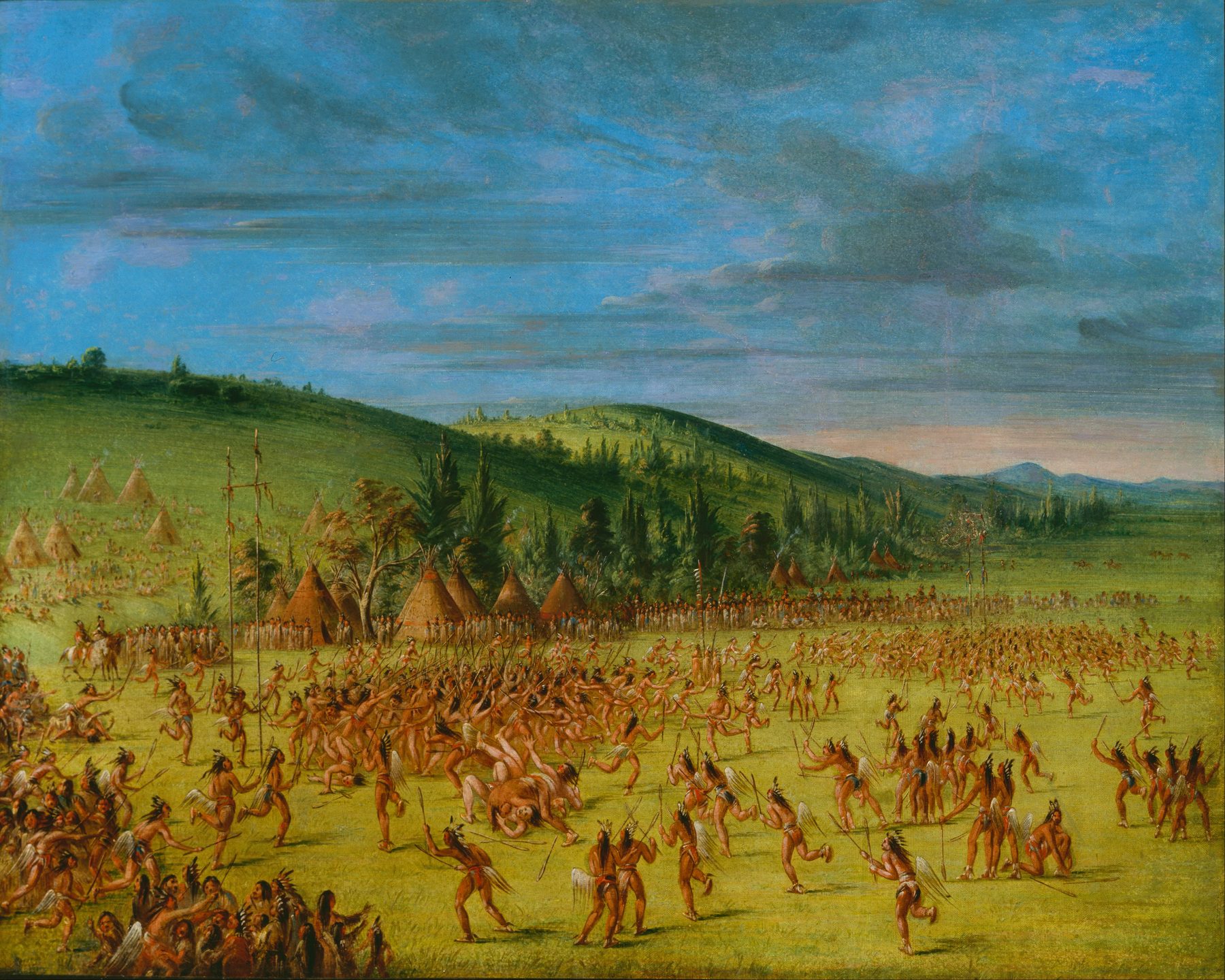
George Catlin Choctaw ball play painting
George Catlin’s 19th-century paintings are among the most frequently cited visual records connected to early Native North American ball games and stickball traditions.
Opening Tribute

More Than a Modern Sport

Lacrosse is not just a modern field game with a future. It also carries roots connected to Indigenous nations of North America, to ceremony, to community life, and to traditions that should never be reduced to decorative language.

This page is a tribute and a learning space, not a claim of authority over Indigenous history.
Origins

The Medicine Game

The strongest version of this section explains that forms of Native North American stickball and lacrosse carried social, ceremonial, political, and communal significance. The point is not simply that the game is old — the point is that the game meant more than entertainment.

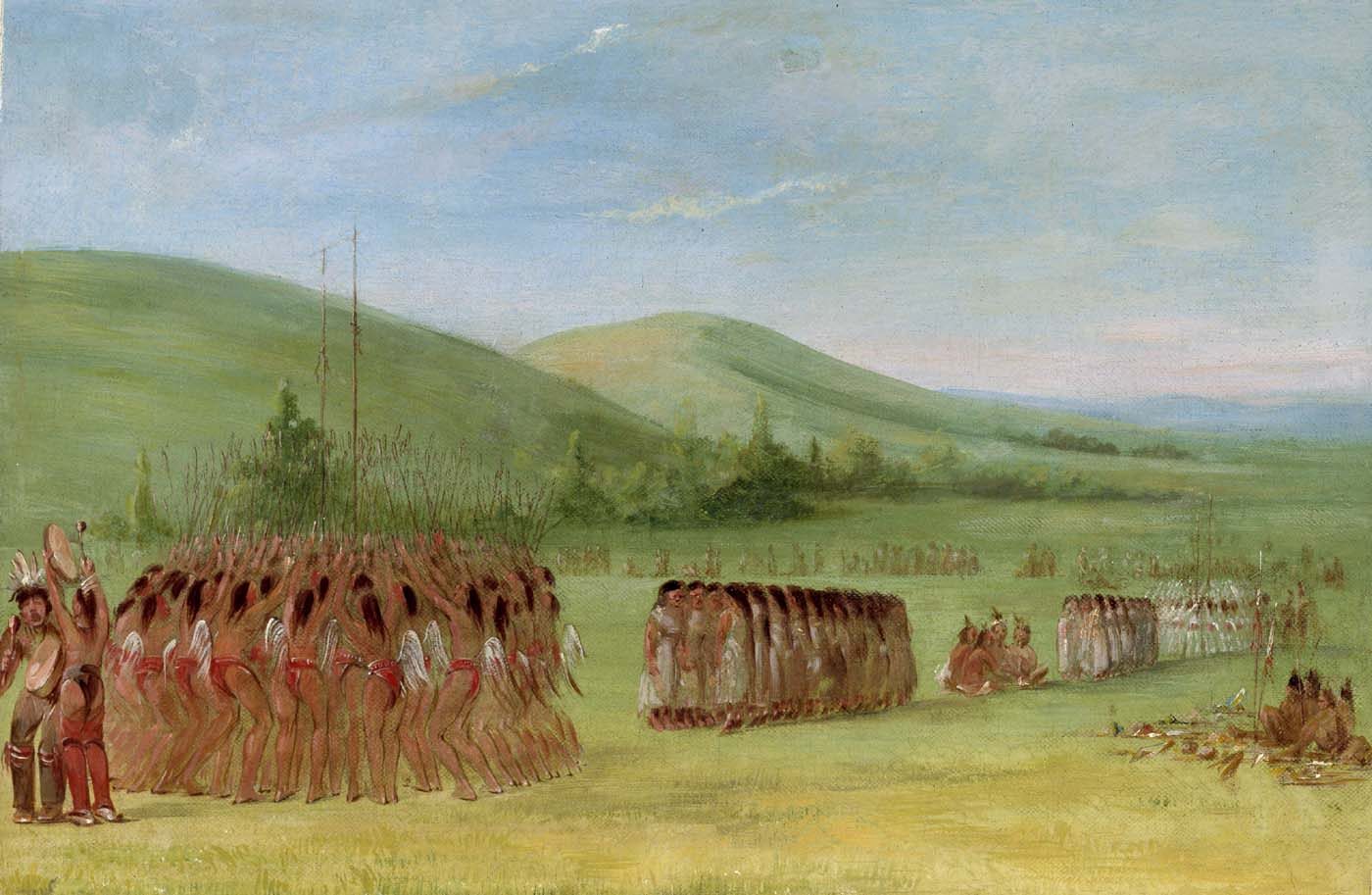
Ball play dance by George Catlin
Visual material like this helps establish the ceremonial and communal context that many modern summaries leave out.

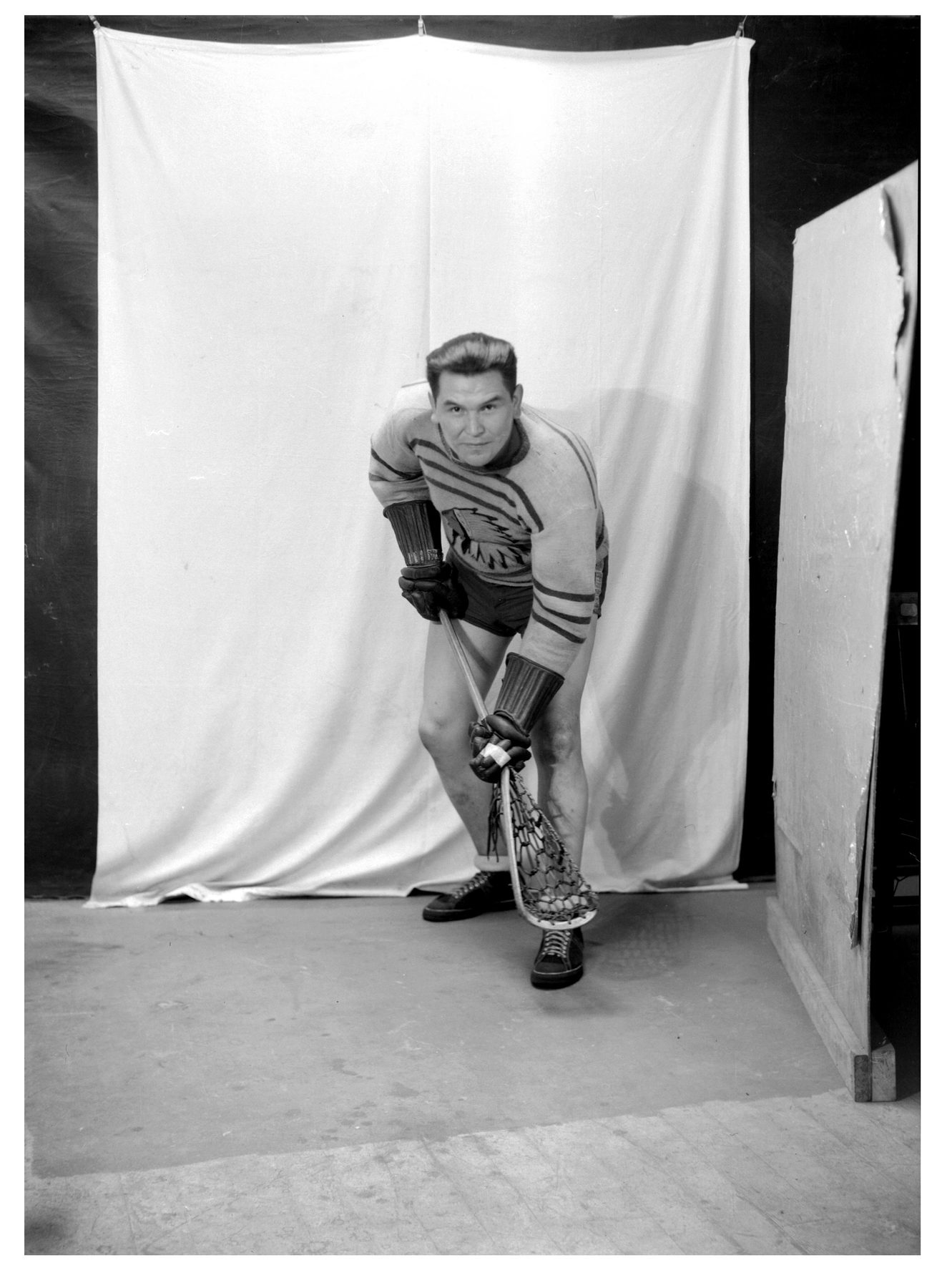
Portrait + Continuity

Historical portraits help bridge archival memory and the continuing life of the sport.

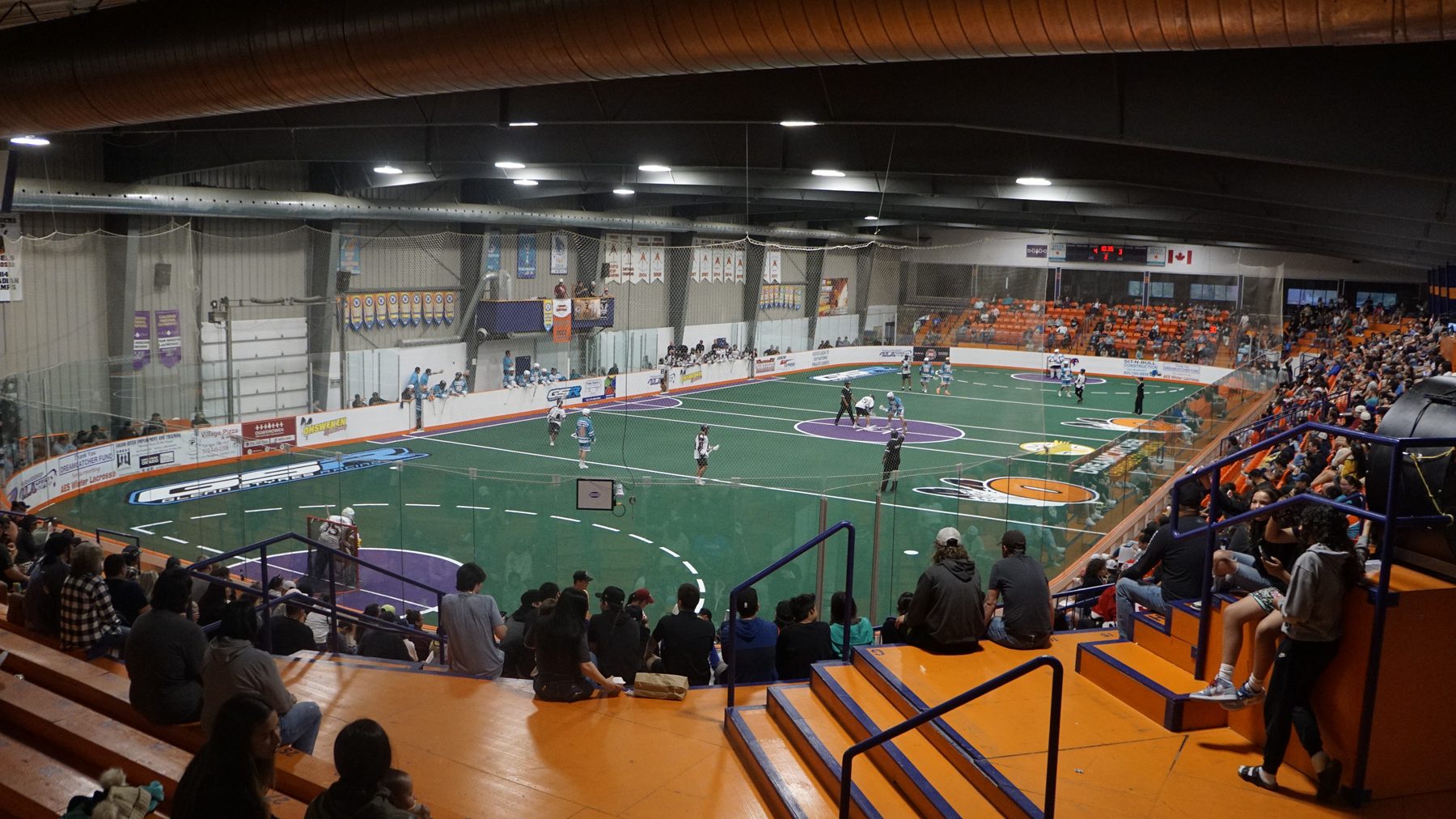
Living Legacy

The story of the game is still alive through communities, programs, and modern Indigenous leadership.

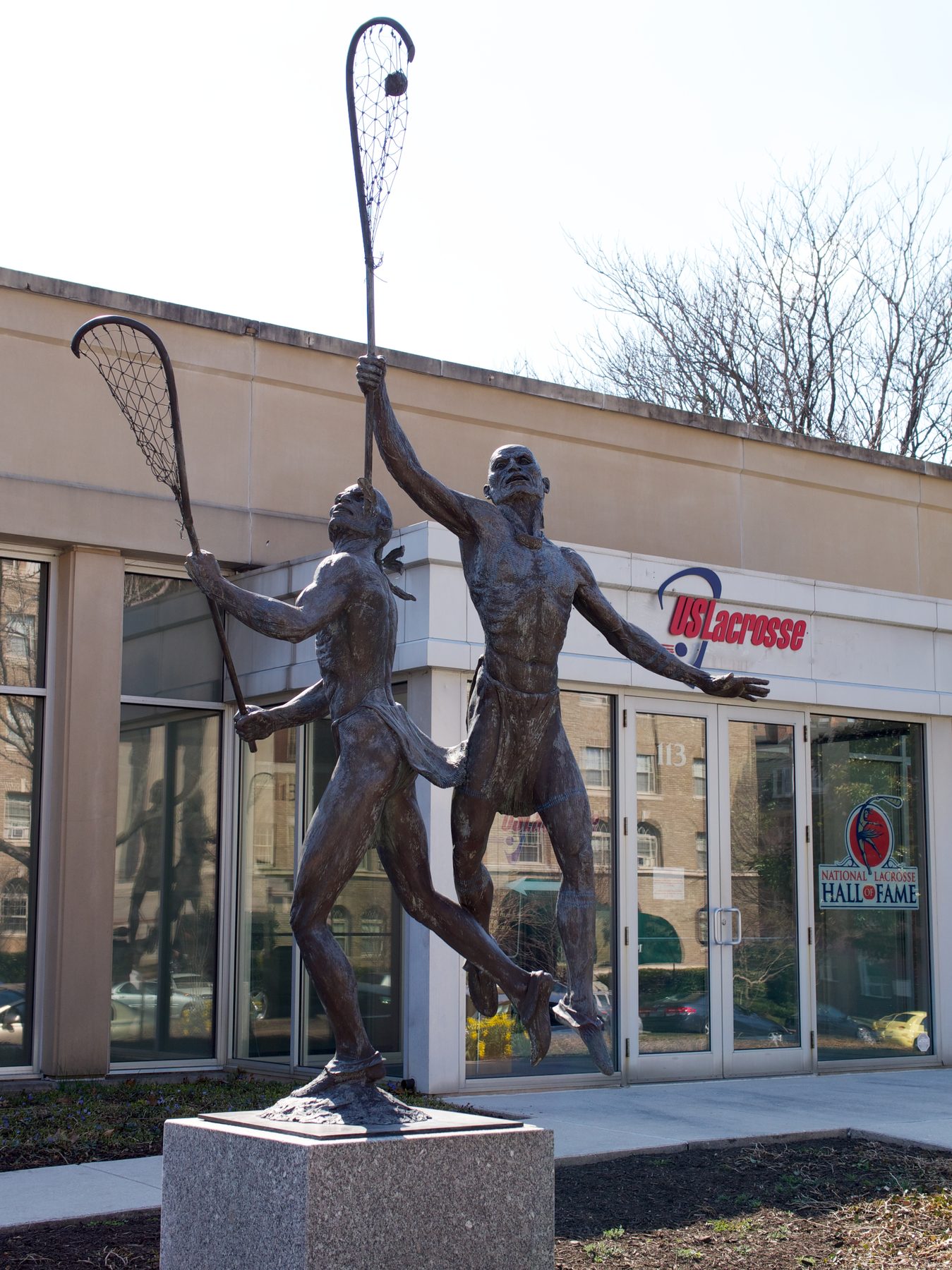
Recognition + Reflection

Symbols and memorials should lead to deeper learning rather than replace it.

Responsibility

Modern Stewardship

As lacrosse reaches larger audiences and returns to the Olympic program, the responsibility to tell the game’s story carefully only grows. Modern players, coaches, and families should know that respect is part of the future of the sport, not just its past.